Neasden Lane bulky rubbish collection alternatives
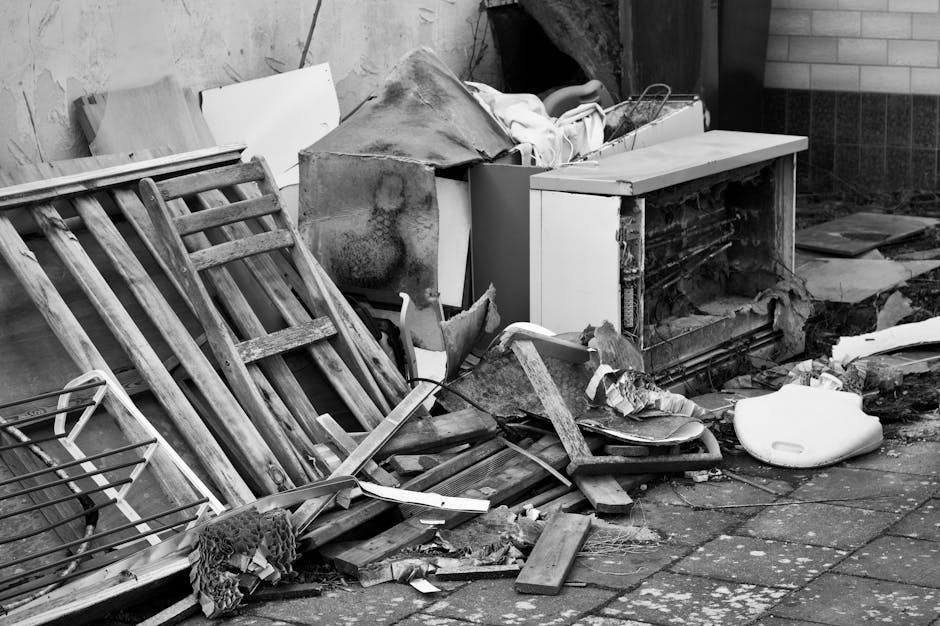
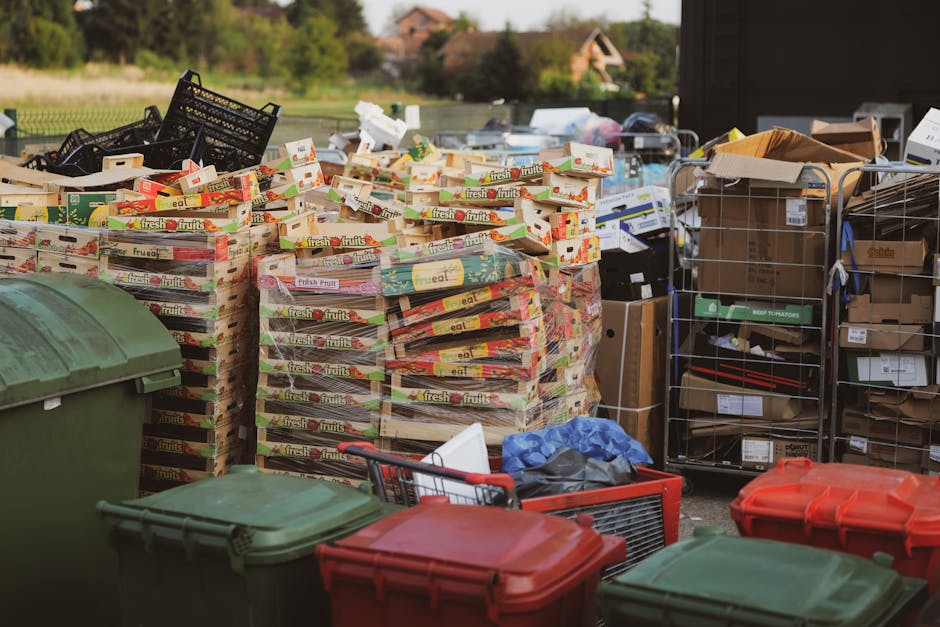
If you are staring at an old sofa, a broken wardrobe, or a pile of renovation debris and wondering what on earth to do next, you are not alone. Neasden Lane bulky rubbish collection alternatives matter because bulky waste is awkward: it takes up space, can be heavy, and rarely fits neatly into a normal bin day. The good news is that there are several sensible ways to deal with it, depending on how much you have, how quickly it needs moving, and whether access is tight. In this guide, we will break down the practical options, the trade-offs, and the small details that make a big difference on the day.
For many households and businesses, the right answer is not simply "hire a skip" or "book a man and van." Sometimes a rubbish removal service is the cleanest choice. In other cases, a wait and load skip hire arrangement, a grab hire vehicle, or a planned domestic skip hire solution may be better. Let's make it simple.
Table of Contents
- Why Neasden Lane bulky rubbish collection alternatives Matters
- How Neasden Lane bulky rubbish collection alternatives Works
- Key Benefits and Practical Advantages
- Who This Is For and When It Makes Sense
- Step-by-Step Guidance
- Expert Tips for Better Results
- Common Mistakes to Avoid
- Tools, Resources and Recommendations
- Law, Compliance, Standards, or Best Practice
- Options, Methods, or Comparison Table
- Case Study or Real-World Example
- Practical Checklist
- Conclusion
- Frequently Asked Questions
Why Neasden Lane bulky rubbish collection alternatives Matters
Bulky waste is one of those jobs that seems straightforward until you actually begin. A sofa looks manageable in the living room, then suddenly it is too wide for the hallway, too awkward for the lift, and too much for a normal household bin. That is where Neasden Lane bulky rubbish collection alternatives become useful: they give you more than one route to clear space without turning the day into a stress-fest.
Neasden Lane itself is a busy stretch, and that usually means practical realities matter more than theory. Access can be tight. Parking may be limited. You may be dealing with shared entrances, residents coming and going, or a property where lifting heavy items through narrow spaces is just not ideal. In those situations, the best bulky waste solution is often the one that reduces time on site and keeps handling to a minimum.
There is also the matter of what you are actually throwing away. An old bed frame is not the same as rubble from a kitchen refit. A fridge is not the same as garden cuttings. And confidential office materials are definitely not the same as a few broken chairs. Choosing the right route helps you avoid delays, extra charges, and unnecessary back-and-forth. Truth be told, that is usually where people get caught out.
One more point that gets overlooked: bulky waste is often part of a larger project. A loft clearance can reveal old furniture, boxes, and mixed junk. A house clearance may include soft furnishings and electrical items. A bathroom rip-out can leave heavy bags of tile and plaster. When the waste stream is mixed, the collection method matters even more.
Practical takeaway: the best bulky rubbish option is rarely the biggest one; it is the one that matches your access, volume, waste type, and timing.
How Neasden Lane bulky rubbish collection alternatives Works
At a basic level, bulky rubbish collection alternatives work by giving you different ways to load, lift, and remove waste from your property. Some methods involve you doing the loading. Others involve a crew doing most of the heavy lifting. A few are designed specifically for narrow streets, short time windows, or high-volume clearances.
The most common options are usually:
- direct rubbish removal, where items are collected by a team and taken away;
- skip-based solutions, where waste is loaded into a container for a set period;
- grab-based services, which are useful for mixed heavy waste and awkward access;
- wait and load arrangements, where the vehicle arrives, you load quickly, and the waste is taken away immediately;
- man and van collections, which are often suited to lighter or moderate loads and faster clearances.
If you are comparing these choices, start with the waste itself. Soft bulky items like sofas, mattresses, and wardrobes are easier to handle than mixed builder's waste. Then look at access. Can a vehicle stop nearby? Is there room for a container? Do you have somewhere legal and practical to place it? A lot of decisions become obvious once you answer those questions honestly.
For example, if you are clearing a flat with no lift and two flights of stairs, a service that reduces repeated trips can save a surprising amount of time and effort. If you have a driveway or a suitable location for waste storage, a skip hire option may be more efficient. If the waste is already stacked and the site is cramped, a grab lorry hire solution may make much more sense. Not glamorous, but practical. Which is the point, really.
You should also think about sorting. Some services are best for mixed waste, while others work better when the load is pre-separated. If you know what can and cannot go together, you can avoid awkward surprises on collection day. A helpful reference point is the site guidance on what can go in a skip, because the same common-sense sorting principles apply to most bulky waste jobs.
Key Benefits and Practical Advantages
Choosing the right bulky rubbish collection method is not just about getting rid of things. Done well, it saves time, lowers hassle, and keeps the whole job under control. The advantages are quite tangible.
- Less physical strain: you avoid repeated lifting, dragging, and carrying awkward items down stairs or along corridors.
- Cleaner property access: the right option reduces mess in hallways, gardens, and driveways.
- Better timing: some services are faster than arranging a container and waiting around for it to fill.
- More flexibility: if your waste is mixed or your access is difficult, alternatives can be easier than the standard skip route.
- Improved cost control: when you match the method to the job, you are less likely to pay for more space or time than you need.
- Cleaner compliance: bulky waste often contains items that need special handling, and the right service helps you manage that properly.
Another benefit is peace of mind. People tend to underestimate how tiring a bulky clearance can be. One armchair? Fine. Three wardrobes, a mattress, and some broken shelves? Suddenly it is a half-day job and a sore back waiting to happen. A proper collection alternative takes that off your plate. Simple as that.
There is also a recycling angle. Many bulky items contain materials that can be reused, broken down, or diverted from landfill where practical. A responsible provider should work with waste streams in mind, not just the fastest disposal route. If sustainability matters to you, it is worth looking at the company's recycling and sustainability approach before booking.
Who This Is For and When It Makes Sense
Neasden Lane bulky rubbish collection alternatives are useful for a wide range of people, not just homeowners in the middle of a clear-out. In practice, the main groups are:
- Households: moving home, replacing furniture, clearing lofts, or dealing with end-of-tenancy waste.
- Landlords and letting agents: post-tenancy clearances, abandoned furniture, and fast turnaround between occupiers.
- Tradespeople: builders, refurb teams, and decorators with waste that is too awkward for a standard bin.
- Offices and small businesses: furniture swaps, archive clear-outs, and workstation removals.
- Property managers: shared areas, communal storage clean-ups, and urgent access constraints.
It makes sense when the waste is too large for normal household disposal, but not quite large enough to justify a major site clearance. It also makes sense when time is tight. If you need an item gone before new flooring arrives, or before keys are handed back, speed matters more than almost anything else.
Here is a realistic example. A family finishes a garage clear-out on a Sunday evening. They have an old freezer, a sagging sofa, two broken shelving units, and a few black bags of mixed clutter. They do not want a skip sitting outside for days, and parking is awkward. In that kind of scenario, a direct removal service or a wait-and-load approach can be far more convenient than waiting for a full skip schedule. No drama, no extra clutter left on the street.
On the business side, an office clearing out old desks and filing cabinets may need a service that handles bulky items plus secure paperwork disposal. That is where something like office clearance and confidential shredding can work hand in hand. Different waste, different treatment. Makes sense when you look at it closely.
Step-by-Step Guidance
If you want the smoothest possible experience, it helps to approach bulky rubbish in stages. That is usually better than rushing in with a van and hoping for the best.
- List the items. Write down everything that needs to go. Include large furniture, appliances, and mixed bags. Count items properly rather than guessing. People always underestimate, honestly.
- Separate waste types. Group furniture, wood, metal, garden waste, electrical items, and rubble. If you are dealing with a mixed load, note that clearly from the start.
- Check access. Measure doorways, stairwells, gates, and parking space. If a vehicle cannot get close, that changes the best option immediately.
- Decide how fast it needs to go. Same-day, next-day, or planned collection? If timing is tight, look at faster options such as same-day skip hire or removal arranged around your schedule.
- Match the method to the site. Driveway or forecourt? Skip or wait-and-load might suit. Tight access? Consider man and van or rubbish removal. Heavy loose material? Grab support may be better.
- Check whether a permit is needed. If anything is placed on a public road, footway, or verge, a permit may be required. It is better to confirm early than be caught in a mess later.
- Book the collection and prepare the site. Clear a route, move parked vehicles, and keep all items accessible. The easier you make the pickup, the smoother the collection.
- Ask about disposal and recycling. Good providers should be transparent about what happens next, including reuse, sorting, and responsible handling.
A small but useful tip: take photos before the job. It helps with estimating volume and avoids misunderstandings. It also gives you a clear record if you need to compare quotes later. Nothing fancy, just practical.
Expert Tips for Better Results
After enough clearances, a few patterns become obvious. These are the things that save time and avoid little disasters.
- Keep the waste close together. Stacked items are easier and safer to move than scattered ones.
- Don't mix hidden hazards into general rubbish. Items like fridges, paint, chemicals, or damaged electricals may need separate handling. If in doubt, ask first.
- Think through the route from room to vehicle. A clear path matters more than people expect, especially in terraces and flats.
- Use the right service for heavy awkward waste. If the load includes soil, rubble, or broken masonry, a specialist option may be far more efficient than a standard furniture pickup. For that kind of job, muck away services can be worth considering.
- Be realistic about volume. "A few bits and pieces" can become a full load very quickly. It happens all the time.
- Ask about timing windows. For busy streets like Neasden Lane, a short arrival window can reduce disruption to neighbours and traffic.
One thing that often helps: choose a provider that can guide you through the options rather than forcing one method on every job. A good team should be able to explain the difference between a skip, a grab vehicle, a direct collection, and a wait-and-load arrangement without overcomplicating it. If the explanation feels confusing, that is usually a warning sign, to be fair.
If you are dealing with renovation waste, it can also be useful to pair services. For example, builders' waste may sit better alongside builders waste removal or builders skip hire, while light domestic clutter may be easier with a flexible house clear-out approach. Matching the service to the waste stream is one of the best ways to keep things efficient.
Common Mistakes to Avoid
Most bulky waste problems come from the same handful of mistakes. The good news is that they are easy to avoid once you know what to look for.
- Choosing based on price alone. The cheapest quote is not always the best value if the access is poor or the waste type is awkward.
- Underestimating volume. A single large item may still need a planned collection route. Don't assume it will be quick because it looks manageable.
- Ignoring access restrictions. Narrow drives, low branches, tight corners, and permit issues can all change the plan.
- Mixing restricted items with general waste. Fridges, appliances, and some hazardous materials need separate treatment.
- Leaving the job until the last minute. That is when people make rushed decisions and pay for it later.
- Forgetting neighbour impact. Noise, blocked access, and clutter on shared land can create avoidable friction.
Another common one: people order a container or vehicle before checking whether they can actually load the waste on time. If you are using a wait-and-load service, the site needs to be ready. No half-cleared hallway, no pile still in the shed, and no van sitting idle while someone searches for keys. That is not a criticism, just reality. These jobs run best when the plan is tight.
If you are unsure whether your items can be handled with standard mixed waste, take a look at fridge and appliance removal and mattress and sofa disposal for examples of items that often need more specific handling.
Tools, Resources and Recommendations
You do not need much in the way of fancy equipment to manage bulky rubbish well. A few simple tools and a clear plan will usually do the job.
- Measuring tape: useful for checking whether large items will fit through doors or into a vehicle space.
- Basic inventory list: a quick note on your phone is enough to estimate volume accurately.
- Photos: great for getting a more accurate quote and avoiding misunderstandings.
- Gloves and sturdy footwear: sensible if you are moving items yourself.
- Clear route plan: especially important in flats, terraces, and shared buildings.
For planning and pricing, two useful starting points are skip sizes and prices and pricing and quotes. They help you compare the likely scale of the job before you book. If you are deciding whether to self-load or hand the work over, a quick look at wait and load skip hire can also be helpful.
For people with busy schedules, online booking can make life easier. If the job is straightforward, the book online route saves time and reduces the number of calls you need to make. And if you want to understand the business behind the service a little better, the about us page is useful for context.
Law, Compliance, Standards, or Best Practice
Bulky rubbish collection in the UK is not something to treat casually. You do not need to become a compliance expert overnight, but a few principles matter.
First, waste should be handled by a responsible operator who can deal with it in a lawful and traceable way. That is the practical norm, even if the details vary by material and collection method. Second, some items need special care. Electrical appliances, fridges, confidential paperwork, and anything potentially hazardous should not be treated as ordinary household waste. Third, if waste is placed on public land, a permit may be needed. The exact requirement depends on location and setup, so it is wise to check in advance rather than assume.
Health and safety is not just corporate language either. Heavy lifting, sharp edges, broken timber, and unstable piles can injure people quickly. A proper collection should reduce those risks, not add to them. That is why sensible site preparation, good access, and clear communication matter so much.
If you are booking a provider, it is fair to expect clear terms, secure payment handling, and transparent process information. Useful supporting pages include payment and security, terms and conditions, and health and safety policy. For added reassurance, you can also review insurance and safety.
Best practice, in plain English, is simple: match the waste to the right method, keep the site safe and accessible, and use a provider that can explain what happens after collection. Nothing flashy. Just solid, responsible work.
Options, Methods, or Comparison Table
Here is a straightforward comparison of the main bulky rubbish collection alternatives you are likely to consider.
| Option | Best for | Main advantages | Possible drawbacks |
|---|---|---|---|
| Rubbish removal | Mixed bulky household items, quick clear-outs | Minimal effort, flexible, no container left behind | May be less suitable for very heavy loads or prolonged clearances |
| Skip hire | Ongoing projects, larger volumes, DIY waste | Flexible loading, good for phased jobs | Needs space, may require a permit, can stay on-site |
| Wait and load | Tight streets, short stops, no room for a skip | No skip storage, fast turnaround, useful where parking is limited | Requires the waste to be ready immediately |
| Grab hire | Heavy mixed waste, rubble, bulky clearances with access issues | Good reach, efficient loading, handles awkward materials well | Needs enough vehicle access and space for operation |
| Man and van | Smaller to medium loads, flexible household clearances | Simple, often convenient, good for one-off jobs | Not ideal for very large or very heavy mixed waste |
The right choice depends on the shape of your problem. If you are clearing furniture from a flat, rubbish removal may be the cleanest answer. If you have mixed renovation waste and a driveway, a skip may be more efficient. If the road is tight and you need to keep the front clear, wait and load can be a smart compromise. It is rarely one-size-fits-all.
For heavier construction-related jobs, you may also want to compare construction waste disposal with construction waste clearance, especially if your "bulky rubbish" includes rubble, timber, and mixed site debris.
Case Study or Real-World Example
Here is a realistic scenario. A tenant move-out on a side street off Neasden Lane leaves behind a broken sofa, a mattress, a dining table with missing legs, and several bags of clutter from cupboards and the shed. The property has no real storage space outside, and the street is busy in the morning. A skip would have sat there longer than needed and might have been awkward to place. A man-and-van style collection with a short booking window made more sense.
The team arrived with the right lifting equipment, carried the items out in one session, and avoided leaving anything in the communal hallway. The mattress and sofa were handled separately from the general load. The result? Less disruption, less time spent on site, and no awkward pile of waste hanging around for days. The residents were relieved too, which usually helps.
In a different case, a small renovation in a house near Neasden Lane produced plasterboard offcuts, broken tiles, packaging, and an old kitchen unit. That was not a "quick sofa collection" sort of job. A builders skip hire option worked better because the waste was heavier, the project would run over several days, and the household had enough space for a skip. Two very different jobs, two sensible solutions. Easy when you match them properly.
Practical Checklist
Use this checklist before you book anything.
- List every bulky item and group similar waste together.
- Measure access points, doors, gates, and parking space.
- Check whether the waste is mixed, heavy, electrical, or hazardous.
- Decide whether you need same-day, next-day, or scheduled collection.
- Think about whether a skip, grab lorry, man and van, or direct removal is most practical.
- Confirm whether a permit may be needed for roadside placement.
- Prepare the items so they can be collected quickly and safely.
- Ask how the waste will be handled, sorted, and recycled where possible.
- Review the pricing details and terms before you commit.
- Keep a few photos on hand in case you need to explain the load.
If you work through that list calmly, you will usually avoid the classic headaches. No rushing. No guesswork. Just a cleaner, easier job.
Conclusion
Neasden Lane bulky rubbish collection alternatives are really about choosing the least painful path to a clear space. Sometimes that means a skip. Sometimes it means a grab vehicle, a man-and-van collection, or a wait-and-load arrangement. The best decision depends on access, waste type, speed, and how much disruption you can tolerate on the day.
If there is one thing to remember, it is this: the most convenient option is the one that fits the site, not the one that looks simplest at first glance. A little planning goes a long way, and it usually saves money, time, and a fair bit of hassle too. And once the clutter is gone, the room feels different somehow. Lighter. Easier to breathe in.
If you are still unsure which route makes the most sense, compare your waste type, access, and timing before booking. That one step tends to clear up most of the uncertainty.
Get a free quote today and see how much you can save.
Frequently Asked Questions
What are the best Neasden Lane bulky rubbish collection alternatives for a small household clear-out?
For a small household clear-out, direct rubbish removal or a man-and-van style collection is often the easiest choice. If you have access for a container and the waste is likely to build up over a few days, skip hire can still be useful. The right answer depends mostly on space and timing.
Is a skip better than a rubbish removal service?
Neither is always better. A skip is useful if you want to load waste gradually and have somewhere practical to keep it. A rubbish removal service is usually better when you want the waste gone in one visit with less effort on your side.
Do I need a permit for bulky waste on Neasden Lane?
If any container or vehicle setup needs to sit on a public road, verge, or footway, a permit may be required. The exact requirement depends on the collection arrangement and where it is placed, so it should be checked before booking.
Can I put furniture and appliances together in one collection?
Often yes, but appliances such as fridges or other electrical items may need separate handling. It is best to mention every item clearly when you request a quote so the provider can advise on the safest approach.
How quickly can bulky rubbish usually be collected?
In many cases, collection can be arranged quickly, and sometimes on the same day if availability allows. If timing is critical, look at faster options such as same-day arrangements or a short-notice removal slot.
What if my access is too narrow for a skip?
If access is tight, options like man and van, wait and load, or grab hire may be more suitable. These methods are often chosen specifically because they work better in restricted streets or properties with limited space.
Are bulky rubbish collection alternatives suitable for office clearances?
Yes. Offices often generate bulky furniture, archived materials, and electrical waste. Services such as office clearance and confidential shredding can be combined when needed, which keeps the process tidy and more efficient.
What should I do with a broken sofa or mattress?
These items are usually best handled through a dedicated bulky item service rather than left to ordinary waste collection. Sofa and mattress disposal options are useful because they deal with the size, weight, and handling requirements properly.
How do I choose between grab hire and skip hire?
Grab hire is often better for heavy loose waste, mixed debris, or sites with limited room for a container. Skip hire suits jobs where you need time to load gradually or expect the waste to build up over several days.
Can bulky waste be recycled?
Often, yes, at least in part. Many bulky items contain materials that can be sorted, reused, or recycled depending on condition and composition. If sustainability matters to you, ask how the provider approaches recycling before you book.
What details help me get a more accurate quote?
Photos, item counts, access details, and a clear description of the waste type all help a lot. The more honest and specific you are, the less likely you are to hit problems on the day.
Is it worth using wait and load for bulky rubbish?
Yes, if you can get the waste out quickly and do not want a container left on site. It works especially well where parking is limited or you only need a short collection window. If loading will take time, it may not be the best fit.
Who should I contact if I need help deciding?
Use the service pages and booking information to compare the options that fit your waste type and access situation. If you prefer to plan carefully, start with the pricing and quote information, then work from there. That usually gets you to the right choice without fuss.